

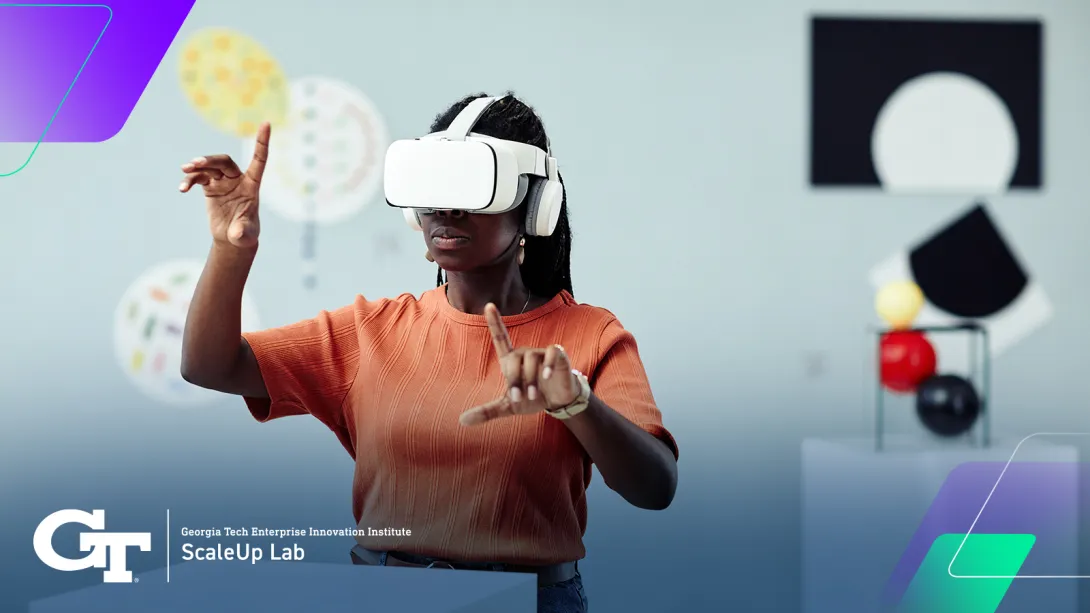

Augmented Reality (AR) and Virtual Reality (VR) have emerged as revolutionary technologies with the potential to reshape various industries, including entertainment, education, healthcare, and more. Both AR and VR offer immersive experiences that blend digital content with the real world (AR) or create entirely virtual environments (VR), opening up new possibilities for training, education, and entertainment. In this comprehensive overview, we delve into the latest innovations in AR and VR technologies, exploring their applications in immersive experiences, training, and education, and reflecting on what the future holds for these transformative technologies.
Understanding Augmented Reality (AR) and Virtual Reality (VR)
Augmented Reality (AR) overlays digital content onto the real world, enhancing the user’s perception of reality. This is typically achieved through devices like smartphones, tablets, or AR glasses, which superimpose digital images, videos, or 3D models onto the user’s view of the physical environment. Virtual Reality (VR), on the other hand, immerses users in a completely simulated environment, usually through headsets or goggles that block out the real world and replace it with a computer-generated one.
Applications of AR and VR in Immersive Experiences
AR and VR technologies are revolutionizing immersive experiences across various sectors:
- Entertainment: In the entertainment industry, AR and VR offer new ways for audiences to engage with content. From immersive VR gaming experiences to AR-enhanced live events and theme park attractions, these technologies create memorable experiences that blur the line between reality and fiction.
- Marketing and Retail: AR is transforming the way consumers interact with products and brands. AR applications allow shoppers to visualize products in their own environment before making a purchase, enhancing the retail experience and driving sales. VR, meanwhile, enables virtual shopping experiences where users can browse virtual stores and try on products from the comfort of their homes.
- Tourism and Travel: AR and VR are reshaping the tourism industry by offering virtual tours of destinations and historical sites. These immersive experiences allow travelers to explore new places remotely, helping them make more informed decisions about their trips.
AR and VR in Training and Education
AR and VR technologies hold immense potential for training and education:
- Corporate Training: VR simulations provide a safe and cost-effective way for employees to practice skills and procedures in realistic scenarios. From flight simulators for pilots to virtual medical training for healthcare professionals, VR training enhances learning outcomes and reduces the risks associated with real-world training.
- Education: AR and VR are transforming traditional education by making learning more interactive and engaging. VR field trips allow students to explore virtual environments that would be otherwise inaccessible, while AR applications overlay digital information onto physical objects, enhancing understanding and retention of complex concepts.
Innovations in AR and VR Technologies
The field of AR and VR is constantly evolving, driven by advancements in hardware and software technologies:
- Hardware: The development of lighter, more comfortable AR glasses and VR headsets is making these technologies more accessible to consumers. Companies like Oculus, Microsoft, and Magic Leap are pushing the boundaries of hardware design, creating devices that offer high-quality, immersive experiences at affordable price points.
- Software: Advances in software development are enabling more realistic and interactive AR and VR experiences. From sophisticated graphics rendering engines to AI-driven content creation tools, developers have access to a wide range of tools and technologies that empower them to create immersive worlds and applications.
Reflections on the Future of AR and VR
Looking ahead, the future of AR and VR is bright:
- Integration with Other Technologies: AR and VR are likely to converge with other emerging technologies, such as artificial intelligence, 5G connectivity, and the Internet of Things (IoT), creating even more immersive and interactive experiences.
- Expanded Applications: As AR and VR technologies mature, we can expect to see their applications expand into new industries and domains, including healthcare, architecture, and remote work.
- Ethical and Social Implications: As AR and VR become more ubiquitous, it will be essential to address ethical and social implications, such as privacy concerns, digital addiction, and the impact on mental health.
In conclusion, Augmented Reality (AR) and Virtual Reality (VR) are driving innovation in immersive experiences, training, and education. From entertainment and marketing to corporate training and education, these technologies are reshaping how we interact with the world around us. As hardware and software continue to evolve and new applications emerge, the future of AR and VR looks promising, with the potential to revolutionize countless industries and enhance human experiences in unprecedented ways.

