

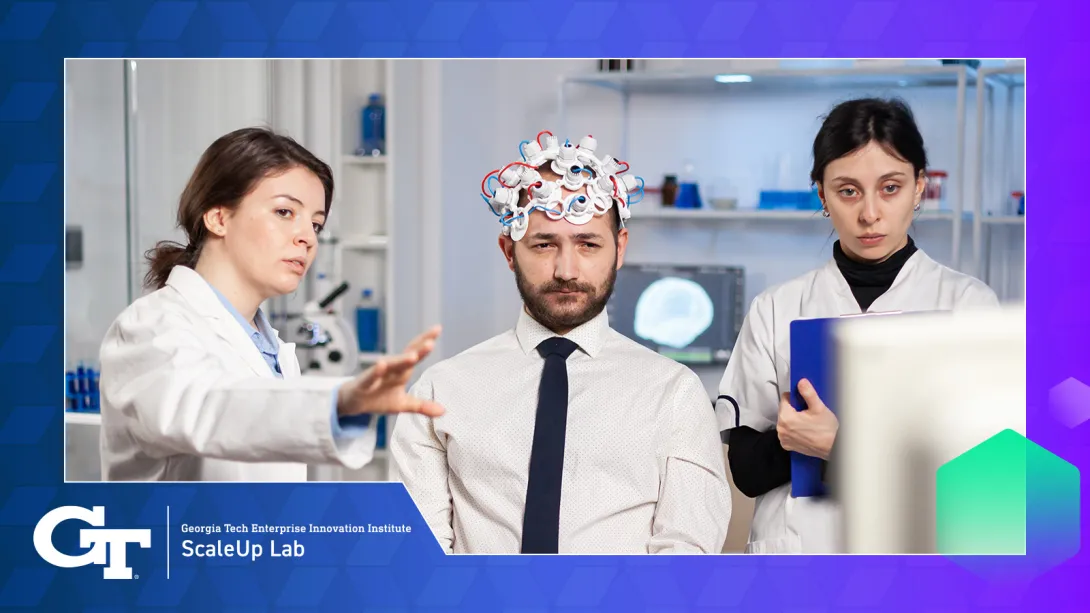

Introduction: In the pursuit of maximizing human potential, cognitive enhancement technologies have emerged as a promising frontier. From brain stimulation techniques to the use of nootropic drugs, researchers and enthusiasts alike are exploring innovative methods to enhance cognitive abilities and performance. This article provides a detailed overview of these technologies, their mechanisms, applications, and potential implications for the future.
1. Understanding Cognitive Enhancement:
- Cognitive enhancement refers to the amplification or extension of cognitive functions such as memory, attention, creativity, and problem-solving abilities beyond their normal range.
- While the concept is not new, recent advancements in neuroscience, pharmacology, and technology have led to novel approaches for enhancing cognition.
2. Brain Stimulation Techniques:
- Transcranial Direct Current Stimulation (tDCS):
- tDCS involves delivering low-intensity electrical currents to specific areas of the brain using electrodes placed on the scalp.
- It is believed to modulate neuronal activity, promoting cortical excitability or inhibition depending on the polarity of the stimulation.
- Studies have shown potential benefits of tDCS in improving cognitive functions such as learning, memory, and attention.
- Transcranial Magnetic Stimulation (TMS):
- TMS utilizes magnetic fields to induce electrical currents in targeted brain regions, thereby modulating neural activity.
- It has been investigated for its therapeutic potential in neuropsychiatric disorders and as a tool for cognitive enhancement.
- TMS studies have demonstrated enhancements in working memory, language processing, and decision-making.
3. Nootropic Drugs:
- Pharmacological Enhancers:
- Nootropics, also known as smart drugs, encompass a wide range of compounds that purportedly enhance cognitive function.
- Examples include stimulants like methylphenidate and modafinil, which enhance alertness and focus, as well as memory-enhancing drugs like donepezil and memantine.
- While some pharmacological enhancers have shown efficacy in specific contexts, their long-term effects and safety profiles require further investigation.
- Nutraceuticals and Dietary Supplements:
- Nutraceuticals such as omega-3 fatty acids, caffeine, and vitamins have been studied for their potential cognitive benefits.
- These compounds may exert their effects through various mechanisms, including neuroprotection, neurotransmitter modulation, and enhanced cerebral blood flow.
- The efficacy of nutraceuticals in enhancing cognition is influenced by factors such as dosage, bioavailability, and individual variability.
4. Ethical and Societal Implications:
- The widespread adoption of cognitive enhancement technologies raises ethical concerns regarding safety, fairness, and autonomy.
- Questions arise regarding access to enhancement interventions, potential disparities in cognitive enhancement across socioeconomic groups, and the impact on personal identity and authenticity.
- Ethical frameworks and regulatory guidelines are needed to ensure responsible development and equitable access to cognitive enhancement technologies.
5. Future Directions and Reflections:
- As research in cognitive enhancement continues to advance, future developments may focus on personalized interventions tailored to individual cognitive profiles.
- Integration of cognitive enhancement technologies with emerging fields such as artificial intelligence and wearable technology could lead to more efficient and adaptive interventions.
- Multidisciplinary collaboration among neuroscientists, pharmacologists, ethicists, and policymakers will be crucial for addressing the complex challenges and opportunities associated with cognitive enhancement.
- Ultimately, the ethical and societal implications of cognitive enhancement must be carefully considered to ensure that these technologies contribute to human flourishing while safeguarding individual well-being and societal values.
Conclusion: Cognitive enhancement technologies represent a fascinating frontier in neuroscience and pharmacology, offering the potential to unlock new levels of human cognitive performance. From brain stimulation techniques to pharmacological interventions, researchers are exploring diverse avenues to enhance cognition. However, as these technologies continue to evolve, it is imperative to address ethical concerns, ensure equitable access, and prioritize the well-being of individuals and society. By navigating these challenges thoughtfully, cognitive enhancement technologies may pave the way for a future where human potential knows no bounds.

