

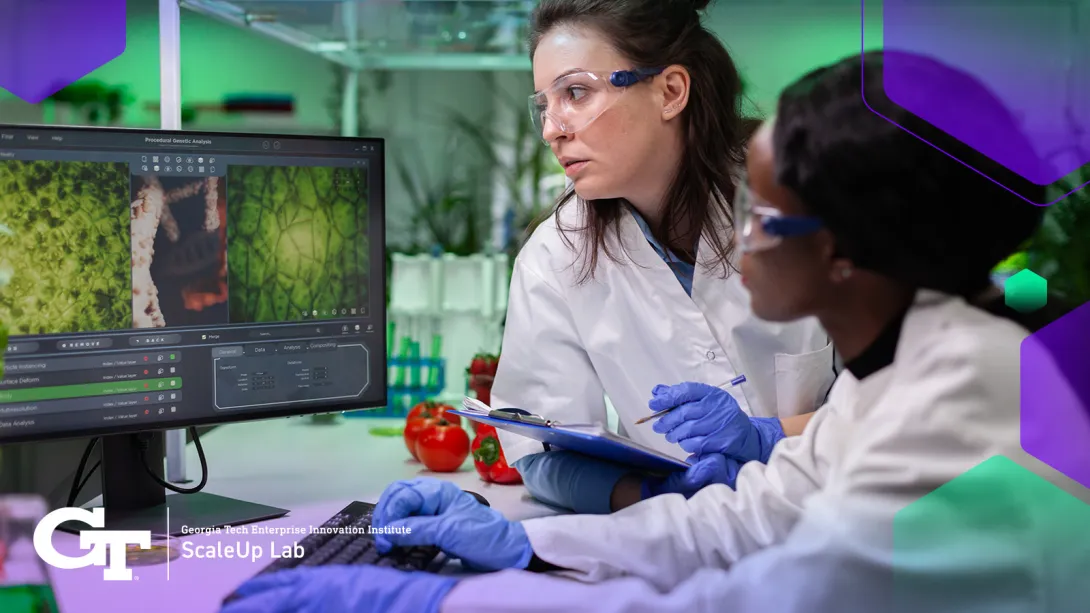

In the realm of science, few innovations have sparked as much excitement and controversy as biotechnology and gene editing. From its inception to its current state, the field has witnessed remarkable advancements, particularly with the advent of CRISPR (Clustered Regularly Interspaced Short Palindromic Repeats) technology. This comprehensive overview delves into the multifaceted applications of biotechnology and gene editing, exploring their transformative potential in healthcare, agriculture, and environmental conservation.
- Understanding Biotechnology and Gene Editing: Biotechnology encompasses a diverse array of techniques and methodologies aimed at manipulating biological systems for various purposes. Gene editing, a subset of biotechnology, involves precisely altering the genetic makeup of organisms. CRISPR-Cas9, a revolutionary gene-editing tool, has emerged as a game-changer due to its simplicity, efficiency, and versatility. It enables scientists to target specific DNA sequences with unprecedented accuracy, paving the way for a myriad of applications.
- Healthcare Innovations: Biotechnology and gene editing hold immense promise in revolutionizing healthcare. One of the most significant breakthroughs is the potential to treat genetic disorders. CRISPR-based therapies offer hope for individuals suffering from conditions like sickle cell anemia, cystic fibrosis, and muscular dystrophy by correcting underlying genetic mutations. Additionally, gene editing has opened avenues for personalized medicine, allowing tailored treatments based on an individual’s genetic profile. Moreover, advancements in biotechnology have accelerated the development of vaccines, diagnostic tools, and targeted cancer therapies, ushering in a new era of precision medicine.
- Agricultural Advancements: In agriculture, biotechnology and gene editing present unprecedented opportunities to address global food security challenges. Genetic modification of crops using techniques like CRISPR enables the creation of varieties with enhanced yield, nutritional value, and resistance to pests, diseases, and adverse environmental conditions. These genetically modified organisms (GMOs) hold the potential to increase agricultural productivity while minimizing the use of pesticides and fertilizers, thereby promoting sustainable farming practices. Furthermore, gene editing can facilitate the development of crops with improved drought tolerance, salinity resistance, and adaptation to climate change, ensuring food security in the face of environmental challenges.
- Environmental Conservation Efforts: Biotechnology and gene editing also play a vital role in environmental conservation by offering innovative solutions to pressing ecological issues. One such application is the use of genetically modified organisms to remediate polluted environments. Engineered microbes and plants can degrade contaminants, such as industrial pollutants and oil spills, facilitating environmental cleanup efforts. Additionally, biotechnology enables the creation of biofuels from renewable sources, reducing reliance on fossil fuels and mitigating greenhouse gas emissions. Furthermore, gene editing holds promise for preserving biodiversity and protecting endangered species by facilitating conservation breeding programs and restoring degraded habitats.
Reflections on What’s Next: While the potential of biotechnology and gene editing is undeniable, ethical, social, and regulatory considerations loom large. Ethical dilemmas surrounding the use of CRISPR for human germline editing, concerns about unintended consequences of gene editing in ecosystems, and questions regarding equitable access to biotechnological innovations must be addressed thoughtfully. Moreover, robust regulatory frameworks are essential to ensure the safe and responsible deployment of biotechnological tools.
Looking ahead, continued research and innovation are imperative to unlock the full potential of biotechnology and gene editing while safeguarding against potential risks. Collaboration across disciplines, transparency in scientific endeavors, and public engagement are crucial for navigating the complex landscape of biotechnological advancements. By harnessing the power of biotechnology and gene editing responsibly, humanity can address pressing challenges in healthcare, agriculture, and environmental conservation, ushering in a more sustainable and prosperous future for generations to come.
Conclusion: Biotechnology and gene editing represent a paradigm shift in our approach to addressing some of the most pressing challenges facing humanity. From curing genetic diseases to enhancing crop resilience and safeguarding the environment, the applications of these technologies are far-reaching and transformative. However, their responsible and ethical deployment is paramount to realizing their full potential. By fostering collaboration, innovation, and ethical stewardship, we can harness the power of biotechnology and gene editing to create a brighter and more sustainable future for all.

