

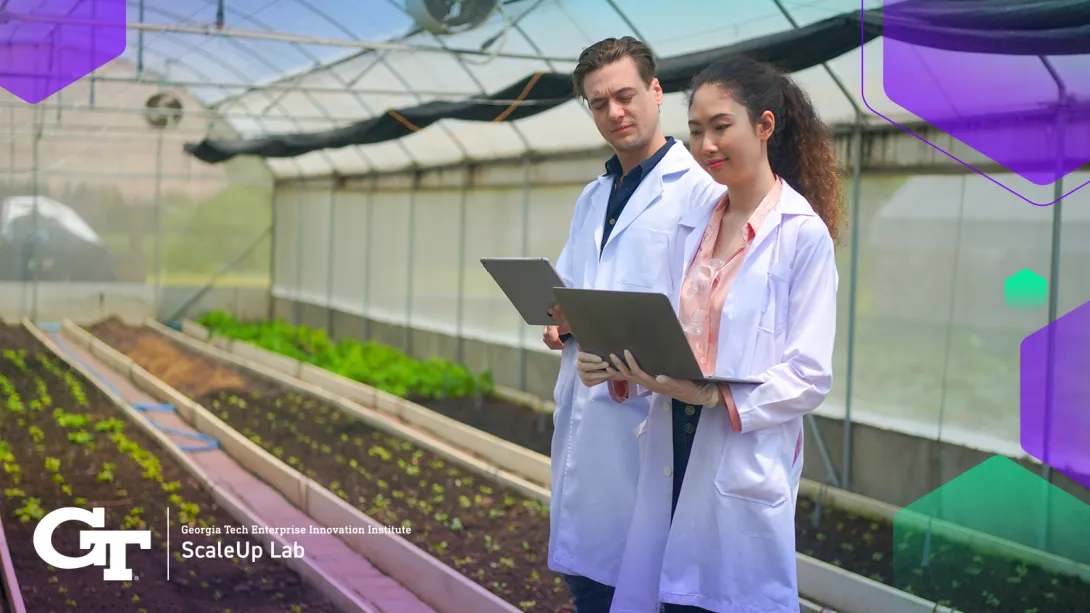

Introduction: The global population is projected to reach 9.7 billion by 2050, posing significant challenges to food production and security. As traditional farming methods struggle to keep pace with increasing demand, advanced agriculture emerges as a promising solution. By leveraging precision agriculture techniques and biotechnological innovations, we can optimize resource utilization, minimize environmental impact, and ensure sustainable food production for generations to come.
Step 1: Precision Agriculture – Maximizing Efficiency through Data-driven Decisions Precision agriculture employs cutting-edge technologies such as GPS, sensors, drones, and AI to monitor and manage crop growth with unprecedented accuracy. These tools enable farmers to collect real-time data on soil composition, moisture levels, pest infestations, and crop health, empowering them to make informed decisions that enhance productivity and reduce waste.
Sub-step 1.1: Soil Mapping and Analysis One of the fundamental aspects of precision agriculture is soil mapping and analysis. By utilizing remote sensing technologies and soil sensors, farmers can create detailed maps of their fields, identifying variations in soil composition, nutrient levels, and pH. This information allows for targeted fertilizer application, optimizing nutrient uptake by crops and minimizing fertilizer runoff, which can harm the environment.
Sub-step 1.2: Variable Rate Technology (VRT) VRT enables farmers to customize input application based on spatial variability within their fields. By adjusting seeding rates, fertilizer application rates, and irrigation levels according to real-time data, farmers can maximize yields while reducing input costs and minimizing environmental impact. This approach also facilitates the implementation of sustainable farming practices such as conservation tillage and cover cropping.
Step 2: Biotechnological Innovations – Enhancing Crop Resilience and Yield Biotechnology plays a pivotal role in modern agriculture, offering innovative solutions to enhance crop resilience, nutritional content, and yield potential. Through genetic engineering, gene editing, and bio stimulants, scientists can develop crops with improved resistance to pests and diseases, tolerance to abiotic stresses, and enhanced nutritional profiles.
Sub-step 2.1: Genetic Engineering for Pest and Disease Resistance Genetic engineering enables the introduction of genes from naturally pest-resistant organisms into crop plants, enhancing their ability to fend off pests and diseases without the need for chemical pesticides. Crops such as Bt cotton, engineered to produce insecticidal proteins, have demonstrated significant reductions in pesticide usage and yield losses, contributing to sustainable agriculture practices.
Sub-step 2.2: Genome Editing for Crop Improvement Recent advancements in genome editing technologies, such as CRISPR-Cas9, offer precise and efficient methods for targeted genetic modifications in crop plants. By editing specific genes associated with traits such as drought tolerance, disease resistance, and nutritional content, researchers can develop crops with improved agronomic performance and nutritional quality, addressing key challenges in global food security.
Reflections on What’s Next: The integration of precision agriculture techniques and biotechnological innovations represents a paradigm shift in modern agriculture, offering unprecedented opportunities to enhance food security, mitigate environmental impact, and promote sustainable development. However, several challenges and considerations must be addressed to realize the full potential of these advancements.
Firstly, there is a need for continued research and development to refine existing technologies and develop novel solutions tailored to the diverse needs of farmers worldwide. Collaboration between scientists, policymakers, and agricultural stakeholders is essential to ensure that advanced agricultural practices are accessible, affordable, and culturally appropriate for smallholder farmers in developing regions.
Secondly, ethical and regulatory frameworks must be established to govern the use of biotechnological tools in agriculture, addressing concerns related to food safety, environmental impact, and socio-economic implications. Transparency, public engagement, and risk assessment are critical aspects of responsible biotechnology stewardship, fostering trust and acceptance among consumers and communities.
Moreover, efforts to promote knowledge exchange and capacity building are vital to empower farmers with the skills and resources needed to adopt and implement advanced agricultural practices effectively. Training programs, extension services, and digital literacy initiatives can facilitate the adoption of precision agriculture technologies and biotechnological innovations, enabling farmers to optimize productivity, profitability, and sustainability.
In conclusion, the integration of precision agriculture techniques and biotechnological innovations holds immense promise for revolutionizing global food production systems and ensuring food security in the face of mounting challenges. By harnessing the power of data-driven decision-making and scientific innovation, we can cultivate a resilient and sustainable agricultural ecosystem that nourishes both people and the planet for generations to come.

